Pages

.

The Broken Heart Syndrome: AKA Stress Cardiomyopathy


Studies have shown that sudden emotional stress can trigger a severe but reversible heart muscle weakness that mimics a heart attack. This condition is "Stress Cardiomyopathy" and is sometimes called "The Broken Heart Syndrome" or the "Love Trauma Syndrome".


First described in Japan 15 years ago, Broken Heart Syndrome occurs because reactive trauma floods the body with adrenaline and similar stress hormones, which over-stimulate the nervous system and stun the heart muscle.


Luckily, unlike a heart attack, Broken Heart Syndrome is reversible if diagnosed early. Patients are hospitalized and can recover within days - with no permanent damage to their hearts. Once medical issues are stabilized, seeking a trained mental health specialist will help cure the emotional trauma.


So tell the Bee Gees that's how you mend a broken heart.


reade more... Résuméabuiyad

The Insula: Addiction and Compulsions


Recent research on smoking addiction revealed something surprising!

Subjects in the study who had damage to a prune-size slab of brain tissue called the Insula were able to give up cigarettes instantly.

The Insula is a brain region that among other things in the Lymbic System, mediates hunger and craving.

Research in this brain region could offer new ways to think about treating drug addiction, alcoholism, anxiety and eating disorders that may not respond to psychotherapy.

The focus in the future will be how treatment can address addiction and compulstions with preserving the beneficial functions of the Insula.

Exciting news.


Reference
Naqvi, N. H. et. al. (2007). Damage to the insula disrupts addiction to cigarette smoking. Science , Vol. 315: 531 - 534
reade more... Résuméabuiyad

February is National Eating Disorder Awareness Month


Canada, The United Kingdom and The United States use February 2007 to mark Eating Disorder Awarness.

Generally, eating disorders involve self-critical, negative thoughts and feelings about body weight and food, and eating habits that disrupts normal body function, and daily life activities.

What causes eating disorders is not entirely clear, though a combination of psychological, genetic, social and family factors are thought to contribute to the disorder.

Types of Eating Disorders

Anorexia Nervosa~ Essentially self-starvation, this disorder involves a refusal to maintain a minimally normal body weight. In severe cases, anorexia can be life-threatening.

Bulimia Nervosa ~ This involves repeated episodes of binge eating, followed by ways of trying to purge the food from the body or prevent expected weight gain. People can have this condition and be of normal weight.

Binge-eating Disorder~ This is characterized by frequent episodes of overeating without purging.

Eating Disorders Not Otherwise Specified (EDNOS) ~ A range of other disordered eating patterns don’t fit into the other types of eating disorders. These eating patterns are still serious, and intervention and attention are necessary. EDNOS include:

*Eating problems with some, but not all, of the characteristics of a full-fledged eating disorder; for example, people who severely restrict food intake, but who do not meet the full criteria for anorexia nervosa

*Chewing food and spitting it out (without swallowing)

*Bingeing and purging irregularly, such as at times of increased stress


Left unattended, eating disorders can lead to serious health problems or even death. Sadly, one of my blogger friends just died from Anorexia.


Resources


The National Eating Disorder Information Centre: Canada

Eating Disorders Association: United Kingdom

The National Eating Disorders Association: United States
reade more... Résuméabuiyad

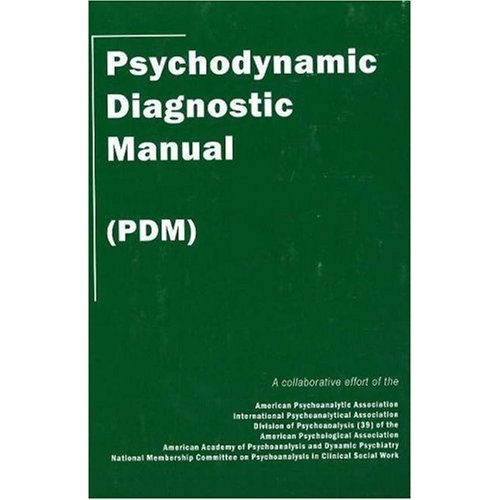
The Psychodynamic Diagnostic Manual

Five major psychoanalytic groups have unveiled a new manual that will improve the diagnosis and treatment of mental disorders AND convey a greater understanding of how such illness are experienced [1].

The Psychodynamic Diagnostic Manual is based on current neuroscience and treatment outcome studies that demonstrate the importance of focusing on the full range, whole-person approach in mental health. It provides a framework for improving comprehensive treatment approaches and understanding both the biological and psychological origins of mental health and illness.

The PDM was created to be used in addition to the "Diagnostic and Statistical Manual of Mental Disorders" and the "International Statistical Classification of Diseases and Related Health Problems". But what is great about this new diagnostic tool is how it will educate professionals about the "texture" and subjective experience of mental health.

The diagnostic framework formulated by the PDM describes:

*Healthy and disordered personality functioning.

*Individual profiles of mental functioning, including patterns of relating, comprehending and expressing feelings, coping with stress and anxiety, observing one's own emotions and behaviors.

*Symptom patterns, including differences in each individual's personal, subjective experience of symptoms.


I am all over this!


Resources
The Psychodynamic Diagnostic Manual


Footnotes
[1] American Psychoanalytic Association, International Psychoanalytical Association, American Psychological Association Division of Psychoanalysis (39), American Academy of Psychoanalysis, National Membership Committee on Psychoanalysis in Clinical Social Work.
reade more... Résuméabuiyad

Going With Your Gut


Sciencedaily - A University College London study has found that you are more likely to perform well if you do not think too hard and instead trust your instincts.

The research in the journal Current Biology shows that instinctive snap decisions are more reliable than decisions taken using higher-level cognitive processes.

Participants, who were asked to pick the odd one out on a screen covered in over 650 identical symbols including one rotated version of the same symbol, actually performed better when they were given no time at all to linger on the symbols and were forced to rely entirely on their gut intinct.

The study shows an instance when our rational mind is more likely to perform worse than our subconscious.

Hmmmm....I think Homer Simpson would be the outlier for this study.
reade more... Résuméabuiyad
Leave a Light On


It's that time of the year when the darkness sets in earlier, and the sun is but a short-lived friend.

While some people can shake the winter doldrums, there are those who become depressed or find their depression deepen during the dark months.

This is called Seasonal Affective Disorder.

Researchers have been able to identify several genes which work in concert with the "Suprachaismatic Nucleus", also known as our body clock, in determining our circadian rhythms.

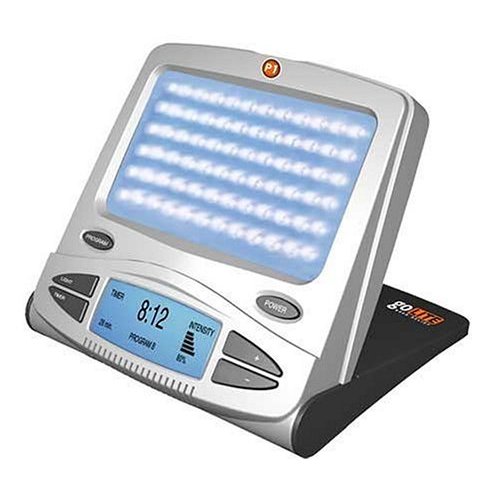
Light Therapy has been endorsed for many years now for Seasonal Affective Disorder, and many of my patients have found it helpful. Light therapy helps suppress the winter withdrawal hormones, and produces active mood hormones. In essence, it resets the sleep/wake cycle.

I use Light Therapy in addition to the medication I take for depression.

I have my little device next to my computer and click it on and let the bright blue lights wash over me as I blog, surf and answer email. Since using the Light Therapy, I've found myself feeling much better than seasons before. The depression that usually deepens for me in the winter is nowhere to be found.

If you experience depression, it is important to have it professionally diagnosed. Once your diagnosis is validated, talk to your professional about treatments. Talk therapy, medication and their combination have shown the greatest treatment success for depression. Adding Light Therapy may bring even greater results.

Technology is so cool.

Blognote:
For an array of Light Therapy devices click this link:

http://www.amazon.com/s/ref=nb_ss_hpc/002-5555505-4180841?url=search-alias%3Dhpc&field-keywords=light+therapy


The picture above is the model I use ~ A Go-Lite P1 .


Resource
Apollo Health
reade more... Résuméabuiyad

The Analytical Couch and Sir Paul

In an recent interview with Radio Times Magazine , Sir Paul McCartney said that writing music was great therapy but sometimes he sought treatment on the analytical couch - psychoanalysis, that is.

It's great when high profile individuals share their success with psychotherapy. It takes the shame out of going to seek help.

I've adored "The Beatles" my whole life.
And now I love Paul even more.

I don't think my husband will mind.

Source
The Telegraph
reade more... Résuméabuiyad